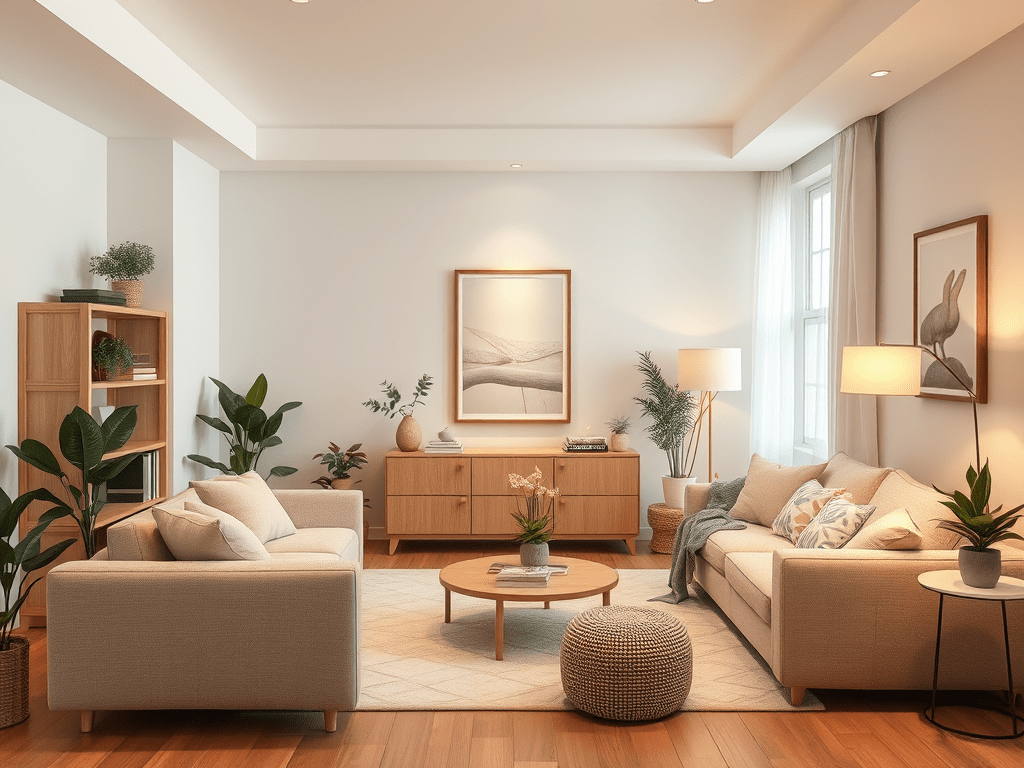
If you’re neurodivergent, your home isn’t just where you live. It’s where your nervous system recovers, where your senses decompress, and where your brain restores its ability to function. And that’s why you desperately need a sensory-friendly home.
Because when your environment is full of harsh lighting, loud sounds, visual clutter, uncomfortable textures, or unpredictable sensations, home stops being restorative—and quickly becomes a source of sensory overload.
Many autistic, ADHD, and otherwise neurodivergent adults unknowingly live in homes that constantly irritate, fatigue, or overstimulate their nervous systems. This leads to:
- Chronic overwhelm
- Shutdown or burnout cycles
- Trouble relaxing or sleeping
- Irritability with partners or kids
- Difficulty focusing, initiating tasks, or cleaning
- Feeling “on edge” even in what should be your safest space
This ADHD cleaning guide will show you how to create a sensory-friendly home—one that protects your brain, reduces overwhelm, and supports your everyday executive functioning.
Whether you’re looking for sensory-friendly home ideas, a neurodivergent bedroom setup, or practical tips for reducing sensory overload at home, this post is designed specifically for ND adults living in real homes, on real budgets, who need real solutions.
Keep reading to download your FREE Sensory-Friendly Home Setup Audit (Printable)
What Sensory Overload Looks Like at Home
Sensory overload at home isn’t always dramatic. For many neurodivergent adults, it shows up subtly, creeping in until the whole house feels like “too much.”
Here’s what sensory overload may look like in a home environment:
Visual Overload
- Rooms feel chaotic even after cleaning
- Too many items left out
- Bright, cold lighting
- Busy patterns and mixed colors
- Open storage that exposes everything at once
- Messy surfaces that feel like “visual noise”
Related: Visual noise & clutter
Auditory Overload
- Appliances running
- Kids’ toys, notifications, fans, humming electronics
- Echoey rooms with no sound absorption
- Difficulty concentrating, relaxing, or falling asleep
Related: sensory overload home | ADHD sensory setup.
Tactile Overload
- Scratchy clothing or blankets
- Uncomfortable seating
- Bedding that feels “wrong”
- Floors or furniture that feel too cold or too hot
- Mixed textures that overwhelm the skin
Lighting Overload
- Harsh overhead lights
- Flickering bulbs
- Bright white LEDs
- No dimming options
- Screens + bright rooms creating visual fatigue
Related: sensory-friendly lighting | low stimulation home
Olfactory Overload
- Strong cleaning products
- Scented candles
- Cooking smells that linger
- Trash, laundry, or pet odors
- Clashing or unpredictable scents
Emotional Signs of Sensory Overload at Home
You might feel:
- Irritable for “no reason”
- Drained as soon as you walk in
- Unable to start tasks
- Lethargic or shut down
- Overwhelmed by every room
- Like you need to escape rather than rest
If home doesn’t feel like a refuge, it’s a sign the environment is overstimulating your senses in ways you may not consciously notice.
The 5 Sensory Systems That Matter Most in a Sensory-Friendly Home
Most sensory-friendly home guides focus only on lights and noise—but neurodivergent sensory processing is far more complex. A truly sensory-friendly home setup should address at least five major sensory systems:
1. Visual System (Sight)
Your visual environment directly impacts your stress levels, so if your stress levels are chronically high, it could suggest the need for a low stimulation home—a sensory-friendly home that reduces visual clutter and offers a heightened sense of internal peace.
ND-friendly visual adjustments include:
- Decluttering visual noise
- Using closed storage for overstimulating spaces
- Choosing gentle color palettes
- Simplifying patterns
- Creating calm “visual anchors” (e.g., a clean nightstand)
- Reducing screen glare
Related: autism sensory home
2. Auditory System (Sound)
Sound is one of the most overlooked sources of sensory overload at home.
Helpful changes include:
- Curtains, rugs, or wall hangings for sound absorption
- White noise machines
- Noise-canceling headphones for high-energy days
- Soft-close furniture or kid-proof noise reducers
- Turning off unneeded appliances
3. Tactile System (Touch + Texture)
Comfortable textures aren’t a luxury—if you’re neurodivergent, they can become critical sensory regulation tools. Textures are especially important for a sensory-friendly bedroom.
ND-friendly options:
- Soft bedding
- Temperature-regulating sheets
- Comfortable seating
- Smooth textures for clothes and blankets
- Avoiding “scratchy,” rubbery, or sticky materials
Related: sensory-friendly bedroom
4. Lighting System (Brightness + Color Temperature)
Sensory-friendly lighting is one of the fastest ways to reduce sensory overload at home.
Tips:
- Switch to warm bulbs
- Use lamps instead of overhead lights
- Add dimmers
- Try Smart bulbs for customization
- Consider amber/orange lighting for evenings
Related: sensory-friendly lighting.
5. Olfactory System (Smell + Air Quality)
Your home’s air quality affects clarity, mood, and overwhelm.
ND-friendly adjustments for a sensory overload home:
- Choose low-scent cleaning products
- Use air purifiers if possible
- Keep windows open for airflow
- Use one gentle scent at a time—or none
- Avoid synthetic fragrances if you’re sensitive
Visual Noise & Clutter: The Hidden Enemy of ND Nervous Systems
For many neurodivergent adults, visual clutter is one of the strongest triggers for sensory overload at home. Even if you’re “used to it,” your nervous system is not. Visual noise sends constant micro-signals of danger, chaos, and unfinished tasks.
This is why a space can look “normal” to someone else but feel overwhelming, panic-inducing, or emotionally chaotic to you.
What Is Visual Noise?
Visual noise refers to anything in your field of vision that creates overstimulation, including:
- Too many objects left out
- Open shelving filled with items
- Busy patterns (rugs, curtains, bedding)
- Mixed textures or color palettes
- Paper piles
- Cords, cables, chargers
- Items that don’t “belong” visually
- Overcrowded counters or tables
Even if items are clean, the sheer amount of visual information can send your brain into overload.
Why ND Adults Experience Visual Noise More Intensely
- ADHD brains struggle with filtering what’s important vs. background
- Autistic brains may process each item with equal intensity (no natural “backgrounding”)
- Working memory overload increases when too many things are visible
- Your brain sees “a thousand unfinished tasks” instead of a neutral room
How to Reduce Visual Noise (ND-Friendly Strategies)
1. Use Closed Storage
If you can see everything, you have to process everything.
Use:
- Cabinets
- Baskets
- Boxes
- Furniture with doors
- Fabric bins
- Under-bed storage
Closed storage = instant sensory relief.
2. Create Visual Anchors
Choose ONE calm area in each room:
- A clean nightstand
- An empty kitchen counter section
- A clutter-free coffee table
These serve as “visual safety spots” that regulate your nervous system.
3. Simplify Color Palettes
Soft, predictable colors are best for a sensory-friendly home—especially for low stimulation home bedrooms.
4. Reduce Pattern Overload
Avoid rooms with multiple competing patterns. Stick to one dominant pattern per space.
5. Limit Surface Items
Clear surfaces reduce overwhelm faster than deep cleaning does.
This creates a low-overload space where your brain can rest.
Sound Management Systems (How to Calm an Auditory-Overloaded Space)
Sound sensitivity is one of the most common—but least acknowledged—neurodivergent sensory struggles. Many autistic and ADHD adults live in homes where sounds constantly chip away at their energy, attention, and emotional regulation.
Creating an auditory-comfort home is essential for reducing daily overwhelm.
The Problem: Hidden Noise Sources
Many ND adults don’t realize how many sources of sensory overload are hiding in their environment:
- HVAC hum
- Refrigerator buzz
- Clicking lights
- Phone notifications
- Dogs barking
- Loud upstairs neighbors
- Kids’ toys
- Echoey hallways
- Running water
- Traffic
- Fans
- TVs left on
Your brain may not consciously notice all of them—but your nervous system does.
Why ND Adults Are More Sensitive to Noise
- ADHD brains struggle with noise filtering
- Autistic auditory processing often amplifies or sharpens sounds
- Low frustration tolerance increases noise sensitivity
- Working memory drops when competing noises exist
- Startle response may be stronger
This is especially important when designing a sensory-friendly home or autism sensory home.
ND-Friendly Sound Management Strategies
1. Add Soft Surfaces (Sound Absorption)
Sound waves bounce—and ND ears feel it.
Add:
- Curtains
- Rugs
- Pillows
- Wall hangings
- Upholstered furniture
- Soft bedding
- Fabric headboards
Each piece reduces sensory load.
2. White Noise Machines
Great for:
- Bedrooms
- Workspaces
- Bathrooms
- Laundry room noise bleed
Keywords: sensory friendly bedroom, ADHD sensory setup.
3. Use Ear Defenders or Noise-Canceling Headphones
Normalize wearing ear defenders and noise-cancelling headphones at home.
This is ND sensory care, not avoidance.
4. Close Doors Strategically
Rooms don’t need to be open if you’re sensitive to sound bleed.
5. Replace or Maintain Noisy Appliances
Sometimes the biggest source of overwhelm is a humming fridge or rattling fan.
6. Create “Quiet Zones”
Especially important for ADHD and autistic adults.
Your quiet zone might be:
- A corner of your bedroom
- Your bathroom
- Part of your couch
- Your office
- A reading nook
This is a huge part of a sensory-friendly home setup.
Textures, Fabrics, and Touch: Building a Comfort-First Home
The tactile environment is one of the most overlooked aspects of sensory overload at home. For neurodivergent adults, textures can make or break the comfort of a space.
Many ND adults have strong preferences or aversions to:
- Bedding textures
- Clothing materials
- Furniture fabrics
- Rug textures
- Cleaning product residue
- Temperature of surfaces
- Certain materials (metal, rubber, coarse fibers)
Ignoring these preferences makes your home more overwhelming than it needs to be.
Signs Your Home Is Causing Tactile Overload
You may be experiencing sensory overload if you notice:
- Constant discomfort sitting or lying down
- Certain blankets or clothes feel “wrong”
- You avoid certain chairs or couches
- Your bed feels scratchy or cold
- You walk on your tiptoes because the floor feels off
- You constantly change outfits because nothing feels comfortable
- You get irritated when touching certain household surfaces
- Showers feel “too cold,” “too sharp,” or “too intense”
These aren’t quirks—they’re sensory signals.
ND-Friendly Textile & Texture Adjustments
1. Choose Soft, Predictable Textures
Especially in the bedroom (keyword tie-in: sensory friendly bedroom, neurodivergent bedroom setup).
ND favs include:
- Jersey knit sheets
- Bamboo or eucalyptus bedding
- Cotton + cotton blends
- Microfiber only if tolerated
- Flannel in winter
- Smooth, consistent textures
2. Avoid Scratchy or “Noisy” Fabrics
Such as:
- Coarse polyester
- Rough wool
- Ribbed textures
- Burlap
- Mesh
- Stiff fabrics
These often trigger tactile irritability.
3. Add Temperature Regulation
Temperature is part of tactile sensory processing.
Try:
- Cooling blankets
- Heated blankets
- Warm socks
- Space heaters
- Fans
- Weighted blankets (if tolerated)
Works well for both autism sensory home and ADHD sensory setup needs.
4. Make Seating More Comfortable
Use:
- Cushions
- Soft throws
- Foam toppers
- Padded chairs
- Slipcovers
Fix the surface → regulate the nervous system.
5. Reduce Harsh Cleaning Product Residue
Many cleaners leave sticky or squeaky textures that sensory-sensitive adults can’t tolerate.
Switch to:
- Unscented cleaners
- Gentle, non-sticky products
- Microfiber cloths
- Vinegar-based cleaning for smooth residue
Lighting for ND Adults: Creating a Calm, Low-Stimulation Home
Lighting is one of the fastest, most effective ways to reduce sensory overload at home. Many neurodivergent adults are highly sensitive to brightness, flicker, color temperature, shadow patterns, and the emotional tone created by light.
You may not consciously realize how lighting impacts you—but your brain and nervous system do. Achieving a low stimulation home often involves installing more sensory-friendly lighting in domestic spaces.
Signs Your Lighting Is Causing Sensory Stress
- Headaches or eye strain
- Irritation without “cause”
- Difficulty winding down at night
- Trouble transitioning between spaces
- Feeling “on edge” in brightly lit rooms
- Avoiding certain rooms because the light feels “too much”
Lighting control is central in both autism sensory home design and ADHD sensory setup planning.
Sensory-Friendly Home Lighting Adjustments
1. Replace Harsh Overhead Lights with Softer Options
Overhead lighting is one of the strongest sources of visual overstimulation.
Swap harsh ceiling lights for:
- Lamps
- Floor lights
- Wall sconces
- String lights
- Diffused lamp shades
Keyword: sensory-friendly lighting.
2. Use Warm Bulbs (2700K–3000K) Instead of Cool White
Warm light = safe, cozy, grounded.
Cool light = clinical, sharp, overstimulating.
Warm lighting mimics sunset and helps regulate circadian rhythms—especially important for ADHD and autistic adults prone to sleep disruptions.
3. Add Dimmers or Smart Bulbs
This allows you to customize brightness based on your sensory state.
Even small dimming adjustments can reduce overload dramatically.
4. Avoid Flickering LEDs
Many ND adults can detect flicker at a subconscious level.
Even if you can’t see it, your brain may still react.
High-quality, flicker-free bulbs make a big difference.
5. Use Amber Lighting at Night
Amber (orange) lighting is perfect for:
- Evening routines
- Bedrooms
- Relaxation spaces
- Low stimulation zones
It reduces sensory load and supports emotional regulation.
6. Control Natural Light
Some ND adults love bright natural light. Others find it overwhelming.
Options:
- Sheer curtains
- Blackout curtains
- Adjustable blinds
- Window film for diffusing harsh sunlight
The goal is light that feels predictable and comfortable.
Smells & Air Quality: The Invisible Source of Overwhelm
Olfactory sensitivity (smell sensitivity) is one of the most common but least acknowledged forms of a sensory overload home environment.
Strong or conflicting scents can activate the threat system in ND brains, making it harder to relax, focus, or even stay in a room.
Signs Smells Are Contributing to Overload
- You avoid certain rooms
- You get sudden irritability or nausea
- You feel fatigued at home
- You’re overwhelmed during cooking
- You’re sensitive to cleaning product smells
- You have headaches when entering certain spaces
Many autistic adults and sensory-sensitive ADHD adults experience scent as physical pain or emotional discomfort.
ND-Friendly Smell & Air Quality Strategies
1. Switch to Low-Scent or Unscented Products
This includes:
- Laundry detergent
- Cleaning sprays
- Soap
- Hand sanitizers
- Candles
- Air fresheners
Fragrance-free is often the safest option for a sensory-friendly home.
2. Use One Scent at a Time (Avoid Scent Clashing)
Mixing scents can spike sensory overload—especially in small spaces.
Choose one consistent scent (or none).
3. Improve Ventilation
Simple changes make a big impact:
- Open windows
- Use fans
- Turn on kitchen/bathroom exhaust
- Add houseplants (some help with air quality)
4. Invest in an Air Purifier (If You Can)
This is especially helpful for:
- Pet homes
- Allergies
- Cooking-heavy households
- Apartments with neighbors who cook or smoke
5. Control Food & Trash Odors
Small changes:
- Take trash out more frequently
- Clean sink drains
- Store food properly
- Use lidded trash cans
- Keep laundry from piling up
These reduce one of the biggest contributors to sensory overload home environments.
6. Use Gentle Natural Scents (If You Like Them)
For those who enjoy scent:
- Lavender
- Chamomile
- Vanilla
- Sandalwood
- Unscented beeswax candles
Keep scents subtle and consistent.
Room-by-Room Sensory-Friendly Home Setup (Neurodivergent Edition)
Now that you understand each sensory system, this section combines everything into actionable, ND-friendly setups—room by room. Scroll down to see these sensory-friendly apartment ideas for adults, as well as strategies and tips.
This is where your home starts transforming from a source of overwhelm into a calming, functional sanctuary.
1. Sensory-Friendly Bedroom: Your Recovery Zone
Your bedroom should be the lowest stimulation space in your home. This supports sleep, emotional regulation, and nervous system recovery.
Key Adjustments
- Warm, dimmable lighting
- Soft bedding textures
- Minimal visual clutter
- Curtains to control morning light
- Noise control (white noise or earplugs)
- Closed storage for clothing
- A single clean “visual anchor” (nightstand)
This becomes your neurodivergent bedroom setup, the core of a low-overload home.
2. Living Room: The Social + Sensory Hub
Living rooms often have the MOST sensory input—screens, sound, clutter, movement.
Make It ND-Friendly
- Add rugs + curtains for sound absorption
- Use soft lighting instead of overheads
- Keep one surface clear
- Add extra pillows, blankets, and comfort textures
- Use baskets to hide miscellaneous items
- Reduce visual clutter on walls
- Create a sensory corner (weighted blanket, headphones, fidgets)
This helps create a low stimulation home even in busy spaces.
3. Kitchen: Reduce Chaos, Increase Calm
Kitchens often cause sensory overload due to noise, smells, brightness, and clutter.
Simplify the Space
- Soft-white bulbs rather than bright white
- Keep counters as clear as possible
- Use closed storage (cabinets or baskets)
- Run loud appliances when you’re not in the room
- Replace harsh cleaning products with scent-free options
- Use a single color palette to reduce visual noise
Kitchens don’t have to be chaotic—they can be one of the most calming spaces with the right adjustments.
4. Bathroom: Sensory-Safe and Predictable
Water, echo, smells, lighting, and textures all collide here.
Make It ND-Friendly
- Warm lighting (no bright overheads)
- Soft bathmats
- Unscented soaps + cleaners
- Simple color scheme
- Soft towels
- Reduce product clutter
Small sensory improvements = much lower daily overwhelm.
5. Workspaces: Build a Low-Noise, Low-Clutter Focus Zone
Crucial for ADHD sensory setup needs.
ND Workspace Adjustments
- Use lamps instead of overheads
- Keep the desk surface mostly clear
- Add a calming sensory object (stone, fidget, texture)
- Close doors if sound-sensitive
- Create a visual anchor (one plant, framed art, single object)
- Hide cords and cables
A well-designed sensory workspace boosts productivity without triggering overwhelm.
Sensory-Friendly Tools for a Low-Overload Home
You don’t need expensive gear or a full home makeover to create a sensory-friendly home environment. A few thoughtful tools can dramatically reduce overwhelm and help regulate your nervous system throughout the day.
Below is a curated list of neurodivergent-friendly tools that make your autism sensory home calmer, safer, and more supportive with ADHD sensory setup ideas.
☀️ LIGHTING TOOLS
- Smart bulbs (customizable warmth + dimming)
- Amber night lights (evenings + winding down)
- Lamp-based lighting (instead of overheads)
- Light-diffusing lamp shades
- Blackout or light-filtering curtains
- Warm white LED bulbs (2700K–3000K)
These reduce glare, harsh shadows, flicker triggers, and circadian disruption.
🔊 SOUND TOOLS
- Noise-canceling headphones
- White noise machines
- Soft-close cabinet hardware
- Door draft blockers (reduce hallway noise)
- Thick rugs + padded furniture for sound absorption
- Seamless door sweeps to reduce noise bleed
These help calm your auditory environment—especially helpful for ADHD distractibility and autistic sensory amplification.
🧵 TEXTILE & TOUCH TOOLS
- Weighted blankets (if tolerated)
- Cooling or breathable bedding
- Microfiber or jersey-knit sheets
- Ultra-soft throw blankets
- Upholstered chairs or sofa covers
- Non-slip rug pads for stability
- Soft clothing texture zones (choose comfortable textures for your lounging area)
Touch-safe items create a sense of comfort and stability for sensory-friendly bedrooms.
Related: Sensory-friendly apartment ideas
🌬️ SMELL & AIR QUALITY TOOLS
- HEPA air purifier
- Unscented or low-scent cleaning products
- Vinegar-based cleaners for sensitive noses
- Stovetop fan or air extractor
- Open-window ventilation routine
- One-scent-at-a-time rule
Perfect for those with chemical sensitivities or smell-triggered overload.
📦 ORGANIZATION & VISUAL NOISE REDUCTION TOOLS
- Closed bins & baskets
- Furniture with doors
- Drawer organizers
- Cord management systems
- Neutral or monochromatic color schemes
- Shelf inserts for hiding clutter
- Labeled baskets for predictable storage
These tools prevent your visual field from becoming a constant source of stress.
Related: Organization Systems Hub
🧘♀️ REGULATION TOOLS
Great for keeping regulation accessible throughout the home:
- Fidget tools
- Sensory stones or smooth handheld objects
- Soft lighting in “calm corners”
- Weighted lap pads
- Textured grounding surfaces (rugs, mats)
These help you re-regulate quickly and stay below sensory overload thresholds.
SENSORY-FRIENDLY HOME AUDIT CHECKLIST
A neurodivergent-friendly guide to spotting sensory triggers in your home.
1. VISUAL ENVIRONMENT
☐ Too many items visible on surfaces
☐ Open shelves that feel chaotic
☐ Busy patterns competing in the same room
☐ Harsh contrast lighting
☐ Clutter that increases stress
☐ Hard-to-ignore wall décor
☐ Visible laundry/dishes/trash increasing overwhelm
☐ No calm “visual anchor” space
Write your observations:
2. SOUND ENVIRONMENT
☐ Persistent appliance hum
☐ Echoey or empty-sounding rooms
☐ Multiple noises happening at once
☐ Pets or kids creating unpredictable noise
☐ Traffic, neighbors, or building noise
☐ Lack of white noise when needed
☐ I often feel overstimulated by sound
Write your observations:
3. TACTILE / TOUCH
☐ Bedding feels uncomfortable
☐ Clothing or fabrics feel “wrong”
☐ Furniture textures are irritating
☐ Towels or blankets are scratchy
☐ Floors feel unpleasant
☐ Water temperature/sensation overwhelms me
☐ I avoid certain areas because of texture issues
Notes:
4. LIGHTING
☐ Overhead lights feel harsh
☐ Lights flicker or buzz
☐ No warm-light options
☐ No dimming options
☐ Brightness feels “too sharp”
☐ Screens + bright rooms strain my eyes
☐ I feel overstimulated by light transitions
Notes:
5. SMELL / AIR QUALITY
☐ Cleaning products are too strong
☐ Scents clash in my home
☐ Smells linger after cooking
☐ Trash or laundry odors build up
☐ Pets create sensory discomfort
☐ Poor airflow / stale air
☐ I often feel nausea or irritation from scents
Notes:
6. EMOTIONAL / OVERWHELM CUES
☐ I avoid certain rooms
☐ The house feels draining
☐ I can’t relax in my living space
☐ I’m easily irritated at home
☐ I can’t focus or start tasks
☐ I feel sensory fatigue daily
☐ I crave more calm but don’t know how to create it
Notes:
Summary: My biggest sensory stressors are…
My first steps will be…
The Sensory-Friendly Home Audit Checklist (Free)
Your home should support your brain—not overwhelm it.
And one of the easiest ways to start creating a sensory friendly home is to get clarity on exactly which sensory triggers are affecting your daily functioning.
To make this simple, I created a free Sensory-Friendly Home Audit Checklist designed specifically for:
- ADHD adults
- Autistic adults
- Sensory-sensitive individuals
- Overwhelmed moms
- ND adults working on improving their home environment
This quick, printable audit helps you:
- Identify your sensory triggers
- Understand where overwhelm is coming from
- Prioritize changes that actually matter
- Reduce sensory load quickly
- Create a calmer, more supportive home
What’s inside the free download:
✔ A full 5-system sensory audit (sight, sound, touch, smell, lighting)
✔ Checkboxes for fast clarity
✔ Room-by-room checklist
✔ Space for reflection + next steps
✔ ND-friendly recommendations
Perfect for:
- Setting up a sensory friendly bedroom
- Creating a low stimulation home
- Reducing sensory overload at home
- Designing a calmer environment for executive functioning
👉 Download your free Sensory-Friendly Home Audit Checklist and start building a home that feels calm, grounded, and neurodivergent-friendly.
 Neurodivergent Home Systems
Leave a comment