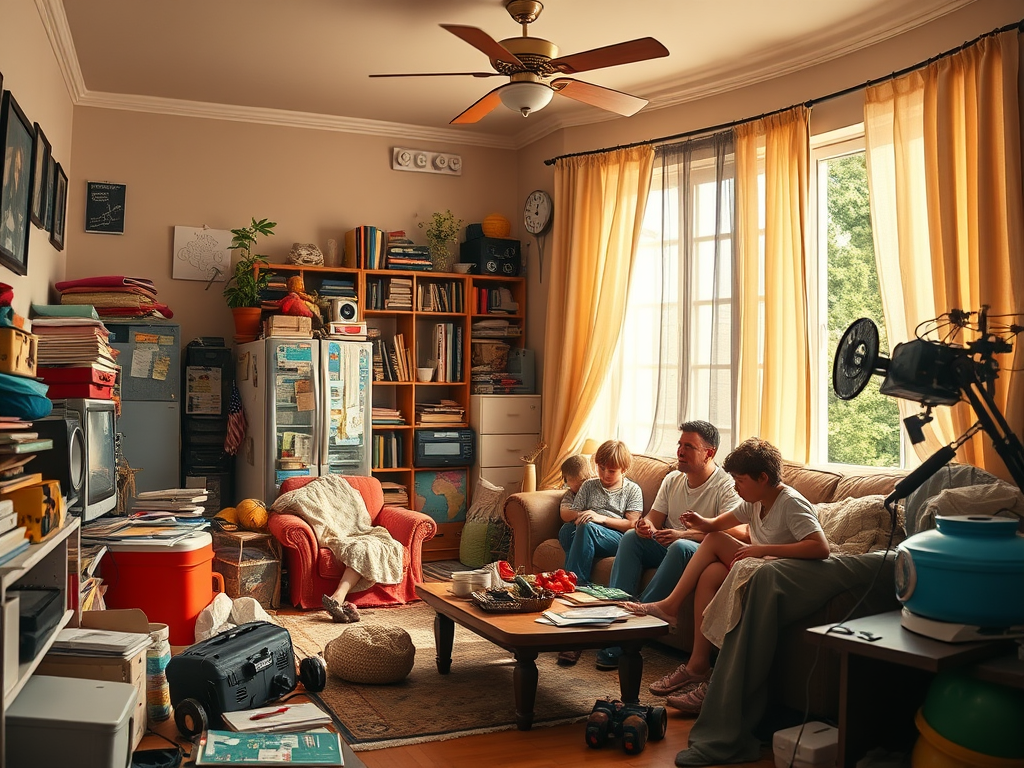
If you’ve ever walked into your living room and instantly felt tense, overstimulated, or on edge, you’re not imagining it — sensory overload in adults is extremely real, especially for neurodivergent adults with ADHD or autism.
Even though sensory overload is often discussed in the context of children, many adults deal with the same intense reactions:
- Sudden irritability
- Feeling shut down or frozen
- Emotional overwhelm
- Needing to retreat to another room
- Feeling like your home is “too loud,” “too bright,” or simply “too much”
What makes this experience confusing for many people is that it often happens in the place where you expect to feel safest — your home. Yet for neurodivergent adults, the home environment can become one of the biggest contributors to autistic sensory overwhelm, ADHD overstimulation, chronic stress, and emotional overload.
This post breaks down the science behind sensory overload, why your home environment triggers it so quickly, and what you can do to reduce it.
The Science Behind Sensory Processing (Why ND Brains Don’t Filter Input the Same Way)
To understand sensory overload at home, you need to understand one key idea: the brain is always filtering information.
Every second, your nervous system processes:
- Visual input (clutter, colors, movement)
- Sounds (appliances, conversations, traffic)
- Smells (food, cleaning supplies, trash)
- Textures (clothing, flooring, furniture)
- Temperature changes
- Your own internal signals (hunger, emotion, fatigue)
A neurotypical brain automatically filters out irrelevant sensory data — a process known as sensory gating. But for many neurodivergent adults, sensory gating is less efficient. This means everything gets through:
- The humming refrigerator
- The light flicker you didn’t consciously notice
- The clutter in the corner
- The movement of kids running across the room
- The sudden change in temperature
- A pot simmering on the stove
Instead of fading into the background, these details layer on top of each other until your nervous system hits capacity.
This is why many adults describe sensory overload as:
“Everything hits me at once.”
“My home feels overwhelming even when nothing ‘bad’ is happening.”
“Small things feel huge.”
And if you’re autistic or have ADHD, this experience is especially pronounced. Research shows that autistic adults often struggle with sensory filtering, leading to autistic sensory overwhelm at home, while ADHD adults struggle with working memory load and emotional regulation in environments with high sensory input.
Why Your Home Feels “Too Much”: Hidden Sensory Stressors You Don’t See Building Up
One of the most frustrating parts of sensory overload in adults is that you often don’t notice the buildup. Nothing looks dramatic. Nothing seems like a crisis. But your nervous system is keeping score.
Here are the hidden sensory triggers that gradually push a neurodivergent adult toward overload:
Visual Overload
- Too many objects on surfaces
- Bright or mixed lighting temperatures
- High-contrast patterns
- Open shelving with many visible items
- Displays of kids’ toys, laundry piles, or paperwork
Visual clutter is a huge contributor to feeling like your home is overwhelming. Even when you’re not consciously looking at it, your brain is tracking every object in the room.
Auditory Overload
- HVAC or appliance hum
- Kids playing loudly
- Dogs barking
- Phone notifications
- Outside noise
- TV in the background
For many autistic adults, background noise doesn’t fade — it stacks.
Tactile + Temperature Stressors
- Scratchy fabrics
- Unpredictable temperatures
- Clothing discomfort
- Floors that feel “too cold” or “too textured”
These seem small, but they keep the nervous system in a heightened state.
Smell Overload
- Food odors from multiple meals
- Cleaning chemicals
- Laundry detergent
- Trash or recycling
- Pet smells
Smell is one of the strongest sensory triggers for autistic sensory overwhelm.
Movement-Based Overload
- Kids running back and forth
- Pets constantly in motion
- Multiple people entering/exiting rooms
When your environment never fully “settles,” your sensory system doesn’t either.
Why Neurodivergent Adults Reach Overload Faster (The Brain-Based Explanation)
Neurodivergent sensory systems aren’t “too sensitive” — they are differently tuned. And that difference often makes home environments more stimulating, more intense, and more draining.
For autistic adults:
- Sensory gating challenges mean more sensory data reaches the brain
- Predictive coding differences make unexpected inputs more stressful
- Sensory overload triggers emotional and physical shutdown
- Sensory recovery takes longer
This creates a pattern where autistic sensory overwhelm at home becomes a daily struggle — not because your home is chaotic, but because your sensory threshold is lower.
For adults with ADHD:
- Working memory gets clogged by visual and auditory clutter
- Emotional regulation circuits activate faster when overstimulated
- Small sensory stressors lead to irritability, frustration, or shutdown
- Noise and clutter interrupt task initiation
ADHD brains experience sensory overload in adults as an EF (executive function) issue and a sensory issue.
When both ADHD + ASD overlap:
Sensory overwhelm happens quicker, lasts longer, and is more likely to cause:
- Anger spikes
- Withdrawal or shutting down
- Avoidance of rooms or tasks
- Feeling like “I can’t function at home”
The Overflow Effect: When Sensory Load Turns Into Emotional Overwhelm
One of the hardest parts of experiencing sensory overload in adults is how quickly it shifts from a physical reaction to an emotional one. Neurodivergent people often describe a sharp, sudden emotional spike that feels “out of nowhere,” but there’s a scientific reason for this:
your emotional regulation system is directly tied to your sensory processing system.
Here’s what happens under the surface:
1. Sensory Input Floods the System
Noise, light, clutter, motion, smells — even low-level sensory stressors accumulate in the background throughout the day.
2. The Brain’s Threat Response Activates
When your sensory threshold is exceeded, your nervous system interprets it as danger.
This triggers:
- Irritability
- Fight-or-flight responses
- Emotional flooding
- Shutdown or withdrawal
This is especially common for autistic sensory overwhelm at home, where sensory unpredictability feels like a threat rather than a simple annoyance.
3. Executive Function Drops
During sensory overload, the brain redirects energy away from planning, problem-solving, and self-regulation.
This is why, in the moment, you might:
- Snap without meaning to
- Feel like you can’t think straight
- Freeze and stop functioning
- Walk away from the room mid-task
- Forget what you were doing
4. Emotional Overwhelm Hits
The moment your nervous system maxes out, your emotions spill over.
This looks like:
- Sudden anger
- Tears
- Irritation at small things
- Feeling defeated
- Needing to isolate
- Complete shutdown
This emotional wave isn’t a character flaw — it’s biology.
If your home feels overwhelming, it’s because your sensory system is overloaded long before your emotions react.
How to Identify Your Home’s Sensory Triggers (Mini Self-Assessment)
Recognizing what triggers sensory overload at home is the first step toward reducing it. The challenge is that these triggers are often subtle — things you’ve lived with so long that you barely notice them consciously, yet your nervous system notices every second.
Use this quick self-assessment to pinpoint your personal sensory stressors:
Mini Self-Assessment: Is Your Home Overwhelming Your Sensory System?
Visual Overload Questions:
- When I enter a room, do I feel tense or overstimulated within seconds?
- Does clutter — even small clutter — make it hard to think or focus?
- Do open shelves, multiple colors, or busy patterns increase stress?
Auditory Overload Questions:
- Do repetitive sounds (ticking, humming, dripping) irritate me instantly?
- Do conversations, devices, kids, and TV blend into overwhelming noise?
- Do I feel myself shutting down when sounds overlap?
Smell-Based Overload Questions:
- Am I sensitive to food smells lingering in the kitchen or hallway?
- Do cleaning products, perfumes, or trash cause discomfort or nausea?
- Do I avoid certain rooms because of how they smell?
Touch, Temperature, and Movement Questions:
- Do textures or fabrics in my home bother me more than expected?
- Does the temperature feel “wrong” often?
- Do kids or pets constantly in motion make my body tense up?
Emotional Cues of Sensory Overload in Adults:
- Do I snap at small things that seem “irrational”?
- Do I shut down or retreat to another room unexpectedly?
- Do I feel overwhelmed or defeated by simple tasks like tidying?
If you said yes to several of these, you’re not alone — these are classic signs of sensory overload in adults, especially those with ADHD or autism.
This is also why your home may feel overwhelmingly chaotic even when it’s not “messy” in the traditional sense. Sensory stress accumulates quietly.
To map your personal sensory triggers room-by-room, download the free Sensory Zones Map at the end of this post.
Practical Ways to Reduce Sensory Overload at Home (Neurodivergent-Friendly Strategies)
Now that you understand why your home feels overwhelming, let’s move into solutions.
These strategies are specifically designed for adults experiencing autistic sensory overwhelm at home or ADHD-based sensory sensitivity.Each of these approaches reduces sensory load without requiring a total home makeover.
1. Reduce Visual Noise (Without Becoming a Minimalist)
You don’t need a spotless space; you need fewer visual anchors competing for your attention.
Try:
- Closed storage instead of open shelving
- Neutral-colored bins for toys and supplies
- One decorative focal point per room
- Simplified countertops (e.g., “one basket rule”)
- Reducing color saturation in the busiest areas
Why it helps:
The brain must interpret every visible object.
Less visual data = calmer nervous system.
2. Create Low-Stimulation “Recovery Zones”
These are intentionally quiet, visually calm spaces where your nervous system can reset.
Ideas for a low-sensory corner:
- Soft lighting
- No background noise
- A single color palette
- Weighted blanket or soft textures
- Noise-canceling headphones nearby
- A grounding object (stone, fidget, pillow)
This is especially helpful for autistic adults who need predictable sensory environments to recover from overstimulation.
3. Use Noise Management Strategies That Actually Work
Managing sound is one of the biggest factors in preventing sensory overload in adults.
Try:
- Noise-canceling headphones
- White noise machines
- Door draft stoppers
- Rugs to absorb sound
- Soft-close cabinet pads
- Turning off unneeded appliances
If you live with kids, motion/noise zoning can be transformative:
“Loud rooms” vs “quiet rooms” creates predictable sensory flow.
4. Adjust Lighting to Reduce Sensory Stress
Lighting is one of the most overlooked triggers for autistic sensory overwhelm at home.
Try:
- Warm-temperature bulbs instead of cool white
- Lamps instead of overhead lights
- Light dimmers
- Blackout curtains in overstimulating rooms
- Warm, indirect light sources in the evening
Even swapping one harsh bulb can dramatically reduce sensory stress.
5. Use Predictable Home Routines to Reduce Sensory Chaos
Sensory overwhelm isn’t just about inputs — it’s also about unpredictability.
Try building micro-routines for:
- Morning sensory soft-start
- Evening reset
- “Transition rituals” between rooms
- Bedtime sensory wind-down
These routines act as stabilizers for an overloaded sensory system.
6. Declutter in Neurodivergent-Friendly Ways (Skip the Shame Tactics)
Traditional organizing advice assumes a neurotypical brain. You don’t operate that way.
Instead:
- Reduce decisions by using “batch sorting”
- Use large, simple categories
- Create visual cues (labels, color codes)
- Tidy by zones instead of entire rooms
- Prioritize the spaces where you spend the most time
Reducing visual chaos reduces internal chaos.
Introducing the Sensory Zones Map (Free Printable to Help You Decode Your Home)
Once you understand how sensory overload in adults works, the next step is learning where in your home it’s happening — and why certain rooms feel “safe” while others feel overwhelming.
This is where the Sensory Zones Map comes in.
The Sensory Zones Map is a simple, visual tool that helps you:
✔ Identify your home’s “high-load” spaces
These are rooms where sensory input spikes: noise, clutter, movement, bright lighting, overlapping demands, or unpredictable activity.
✔ Spot hidden patterns you may not consciously notice
Maybe you always avoid a certain corner.
Maybe one hallway drains you every time you walk through it.
Maybe the kitchen overwhelms you before you even start cooking.Your nervous system knows why — the map helps you see it.
✔ Mark your sensory “recovery zones”
These are critical for autistic and ADHD adults:
spaces where your brain finally gets to breathe.✔ Build a flow that supports your sensory system
By mapping your environment, you can intentionally create:
- Low-stimulation pathways
- Predictable sensory transitions
- Designated quiet zones
- Visual calm areas
- Movement-friendly spaces (great for kids)
✔ Reduce overwhelm before it hits
When you understand the sensory layout of your home, you can redesign your day and your space around what your nervous system actually needs.
The Sensory Zones Map is free — download it using the link below.
This tool works beautifully for adults, parents, ADHD households, autistic adults, shared homes, and even work-from-home setups.
Download Your Free Sensory Zones Map
If your home often feels “too much,” you’re not alone — and you’re not imagining it. Your sensory system is responding to real input, even the tiny things most people don’t notice.
The Sensory Zones Map helps you finally see the patterns your brain has been fighting against.
Download the free Sensory Zones Map to:
- Map out the sensory pressure points in your home
- Understand where overload happens (and why)
- Identify your personal low-stimulation recovery areas
- Reduce sensory overwhelm before it snowballs
- Create a calmer, more supportive home without a total makeover
Download now and start building a sensory-friendly home that actually works for your neurodivergent brain.
Conclusion: Your Home Isn’t “Too Much” — Your Sensory System Is Asking For Support
If you’ve ever wondered “Why does my home feel so overwhelming?” or “Why can’t I handle normal things like noise, clutter, or movement?”, here’s the truth:
You are not weak.
You are not dramatic.
You are not failing at adulting.You are living with a sensory system that processes the world more intensely — and more honestly — than most people ever realize.
Sensory overload in adults is one of the least-talked-about but most impactful experiences for neurodivergent people. Understanding the science behind it gives you something incredibly powerful:
Clarity.
Compassion.
Control.Once you know what overwhelms your nervous system, you can change your home to support it — not fight against it.
Small, strategic adjustments can completely transform:
- Your mood
- Your energy levels
- Your ability to function
- Your relationships
- Your sense of peace at home
Start by downloading the free Sensory Zones Map, and let your home finally become a space where your brain can restore, not struggle.
Want more from the CLEAN ADHD HOME site?
- Read about the ADHD Home Goals Workbook (PDF Download)
- Check out additional printable PDFs and worksheets
- Explore the site!
 Neurodivergent Home Systems
Leave a comment